The Irresistible Allure of Simple Smoked Pulled Pork
Few dishes command attention quite like a perfectly executed batch of smoked pulled pork. The aroma alone is enough to transport you to the heart of classic barbecue country. While many assume achieving this smoky, tender perfection requires a complex arsenal of tools and techniques, we're here to share a secret: it doesn't have to be fussy. Our approach to smoked pulled pork focuses on simplicity, letting quality ingredients and the magic of low-and-slow cooking do most of the work.
This isn't just a recipe; it's a guide to understanding the fundamental principles that create deeply flavorful, melt-in-your-mouth pork every single time. Forget the fancy injections, constant spritzing, or intricate wrapping methods. With just a few core components and a healthy dose of patience, you're well on your way to feeding a hungry crowd with some of the best barbecue they've ever tasted.
The Magic of "Simple" Smoked Pulled Pork
What makes our method for smoked pulled pork stand out is its commitment to minimalist elegance. In a world often overcomplicating culinary pursuits, we strip it back to the essentials, proving that incredible flavor doesn't require endless steps or exotic equipment. The beauty of this "simple" approach lies in its reliability and the pure, unadulterated taste it delivers.
At its core, this process hinges on only three key elements, each playing a vital role in the final symphony of flavor:
- A Quality Pork Shoulder (or Pork Butt): This specific cut is the undisputed champion for pulled pork, and understanding why is key to success.
- A Fantastic Dry Rub: The right blend of spices and seasonings forms an incredible bark and infuses the meat with a savory, sometimes sweet, foundation. For those eager to dive deeper into crafting the perfect seasoning blend, explore our insights on smoked pulled pork - Article 1.
- Clean, Consistent Smoke and Time: The smoker, fueled by the right wood, is where the magic truly happens, slowly transforming tough connective tissues into succulent strands.
By focusing on these pillars and avoiding unnecessary interventions, you allow the natural flavors of the pork, the chosen rub, and the wood smoke to shine through. This method is perfect for beginners, offering a straightforward path to an impressive result, but it also satisfies seasoned pitmasters who appreciate the authentic taste of classic, unadorned barbecue.
Decoding the Pork Shoulder: The Heart of Pulled Pork
To truly appreciate the art of smoked pulled pork, one must first understand the foundation: the pork shoulder. This cut is often labeled in a few confusing ways – "pork butt," "Boston butt roast," or simply "pork shoulder." Rest assured, despite the varying names, they all refer to the same part of the pig: the upper portion of the front leg, above the forearm. The common misconception that "pork butt" comes from the hindquarters is a lingering historical misnomer, originating from the barrels (or "butts") butchers used to pack these cuts in during colonial times.
So, why is this particular cut so ideal for the low-and-slow smoking process? The pork shoulder is a hard-working muscle group, meaning it's packed with dense, overlapping muscle fibers and a significant amount of tight connective tissue. If you tried to quickly grill or roast a pork shoulder, it would be incredibly tough and chewy.
However, this inherent toughness is precisely what makes it a star for smoking. When exposed to sustained low temperatures (typically around 225°F) over many hours, that tough collagen in the connective tissue undergoes a remarkable transformation. It slowly breaks down and renders into gelatin, lubricating the muscle fibers and creating that incredibly tender, fall-apart texture we associate with perfect smoked pulled pork. Simultaneously, the fat cap (which we recommend leaving mostly intact) slowly melts, basting the meat and adding immeasurable moisture and richness.
When selecting your pork shoulder, look for one that has good marbling (streaks of fat within the muscle) and a healthy fat cap. Bone-in cuts are often preferred by many pitmasters as the bone can impart additional flavor and help regulate heat during the long cook, though boneless options are also viable and offer easier carving.
The Essential Trio: Ingredients for Authentic Flavor
As we've established, the path to incredible smoked pulled pork doesn't require a grocery cart full of items. Instead, it relies on selecting and preparing three foundational ingredients with care. This simplicity allows each component's quality and character to shine through, creating a truly authentic barbecue experience.
1. The Pork Shoulder: Your Canvas
As discussed, a high-quality bone-in pork shoulder is often the top choice, weighing anywhere from 8 to 10 pounds for a substantial cook. Before applying your rub, a quick trim of any excessively thick fat (leaving about 1/4 to 1/2 inch) can help with bark formation and prevent some areas from becoming too greasy. Don't remove too much fat, though, as it's crucial for moisture and flavor during the long smoke.
2. The Dry Rub: The Flavor Foundation
The dry rub is where much of the exterior flavor and that coveted, crusty "bark" develops. While personal preference plays a huge role, a classic barbecue rub for smoked pulled pork typically balances sweet, savory, and a hint of heat. A common profile starts with a brown sugar base for caramelization and sweetness, complemented by savory elements like smoked paprika (adding another layer of smokiness even before it hits the pit), garlic powder, and onion powder. A touch of cayenne pepper provides a subtle kick without overwhelming the palate. The salt content in the rub is also crucial, acting as a dry brine to help tenderize the meat and draw out moisture, contributing to a better bark. For a deeper dive into crafting the perfect rub, including specific ratios and ingredient benefits, make sure to read smoked pulled pork - Article 1.
Apply your chosen rub generously and evenly over the entire surface of the pork shoulder, massaging it gently to ensure it adheres well. Many pitmasters let the rubbed pork rest in the refrigerator for several hours or even overnight. This allows the rub to penetrate the meat, creating a deeper flavor profile.
3. The Smoke: The Soul of BBQ
The final ingredient, and arguably the most defining for smoked pulled pork, is the wood smoke itself. The type of wood you choose will subtly influence the final flavor of your pork. Popular choices include:
- Hickory: A classic choice, providing a strong, bacon-like, savory smoke flavor.
- Oak: A more moderate, clean smoke that pairs well with pork and other meats.
- Apple or Cherry: These fruitwoods offer a milder, slightly sweet, and fruity smoke, often favored for a less intense smoke profile.
The goal is to produce "thin blue smoke," which indicates clean combustion and imparts the best flavor. Thick, white smoke often indicates incomplete combustion and can leave a bitter taste on your meat. A reliable smoker that can maintain a consistent low temperature is paramount for success.
Mastering the Art of Low and Slow Smoking
The essence of incredible smoked pulled pork lies in the patience and precision of the "low and slow" cooking method. This isn't just a catchy phrase; it's a scientific approach to breaking down tough cuts of meat into succulent perfection.
Setting Your Smoker Temperature
For pork shoulder, the ideal smoking temperature is generally 225°F (approximately 107°C). This consistent, low heat allows the connective tissues to slowly convert to gelatin without drying out the meat. Maintaining a steady temperature throughout the cook is crucial, so trust your smoker's thermometer and a good quality probe thermometer for accurate readings.
Understanding Cook Times and Variability
A good rule of thumb for estimating cook time is about 1.5 to 2 hours per pound of pork. So, an 8-pound pork shoulder might take anywhere from 12 to 16 hours. However, it is absolutely vital to remember that this is merely an estimate. Every cut of meat is different, and factors like fat content, bone structure, and even ambient weather conditions can influence cooking duration. The golden rule of smoking is to always cook to temperature, not just to time.
Your pork shoulder is officially ready when it reaches an internal temperature of around 200-205°F (93-96°C) in the thickest part of the meat (avoiding the bone). At this temperature, the meat should feel incredibly tender when probed, almost like inserting a probe into soft butter.
Conquering the "Stall"
First-time smokers often encounter a phenomenon known as "the stall," and it can be perplexing. After several hours of steady temperature increase, the internal temperature of the pork will plateau, sometimes for hours on end, typically when the meat reaches 150-165°F (65-74°C). Don't panic! This is a completely normal part of the process caused by evaporative cooling.
As moisture evaporates from the surface of the meat, it cools the pork in the same way sweating cools your body. This phase can be frustrating, but patience is key. Resist the urge to crank up the heat significantly, as this can dry out the meat. Simply let the smoker do its work; eventually, the temperature will begin to rise again. If you're interested in understanding the nuances of temperature control and how to conquer the infamous 'stall,' our guide in smoked pulled pork - Article 2 offers further expertise.
To Wrap or Not to Wrap: Embracing the Bark
Many smoked pulled pork recipes advocate wrapping the pork in foil or butcher paper once it hits the stall, a technique known as "the Texas crutch." This can help push through the stall faster and retain moisture. However, our "simple" method often omits this step. Why? Because avoiding wrapping allows for the formation of a truly incredible, crusty "bark" – the deeply seasoned, smoky exterior that many barbecue enthusiasts crave. By letting the pork cook unwrapped for the duration, you maximize bark development, albeit potentially extending the overall cook time slightly. The choice is yours, but for a classic, unadorned bark, let it ride naked!
From Smoker to Plate: Resting and Pulling
After hours of dedicated smoking, the final steps are crucial for ensuring your smoked pulled pork reaches its full potential. Do not rush these last stages!
The Critical Rest
Once your pork shoulder hits the target internal temperature and probes tenderly, remove it from the smoker. Resist the immediate urge to pull it apart. Instead, transfer the pork to a cutting board, cover it loosely with foil, or even better, wrap it tightly in foil and then in a few old towels, placing it in an empty cooler for a minimum of 1-2 hours (and up to 4 hours). This resting period is critical for several reasons:
- Juice Redistribution: It allows the muscle fibers to relax and reabsorb the flavorful juices, ensuring every strand is moist.
- Carryover Cooking: The internal temperature will continue to rise slightly, further tenderizing the meat.
This rest is as important as any stage of the smoking process, contributing significantly to the final texture and juiciness.
The Pulling Perfection
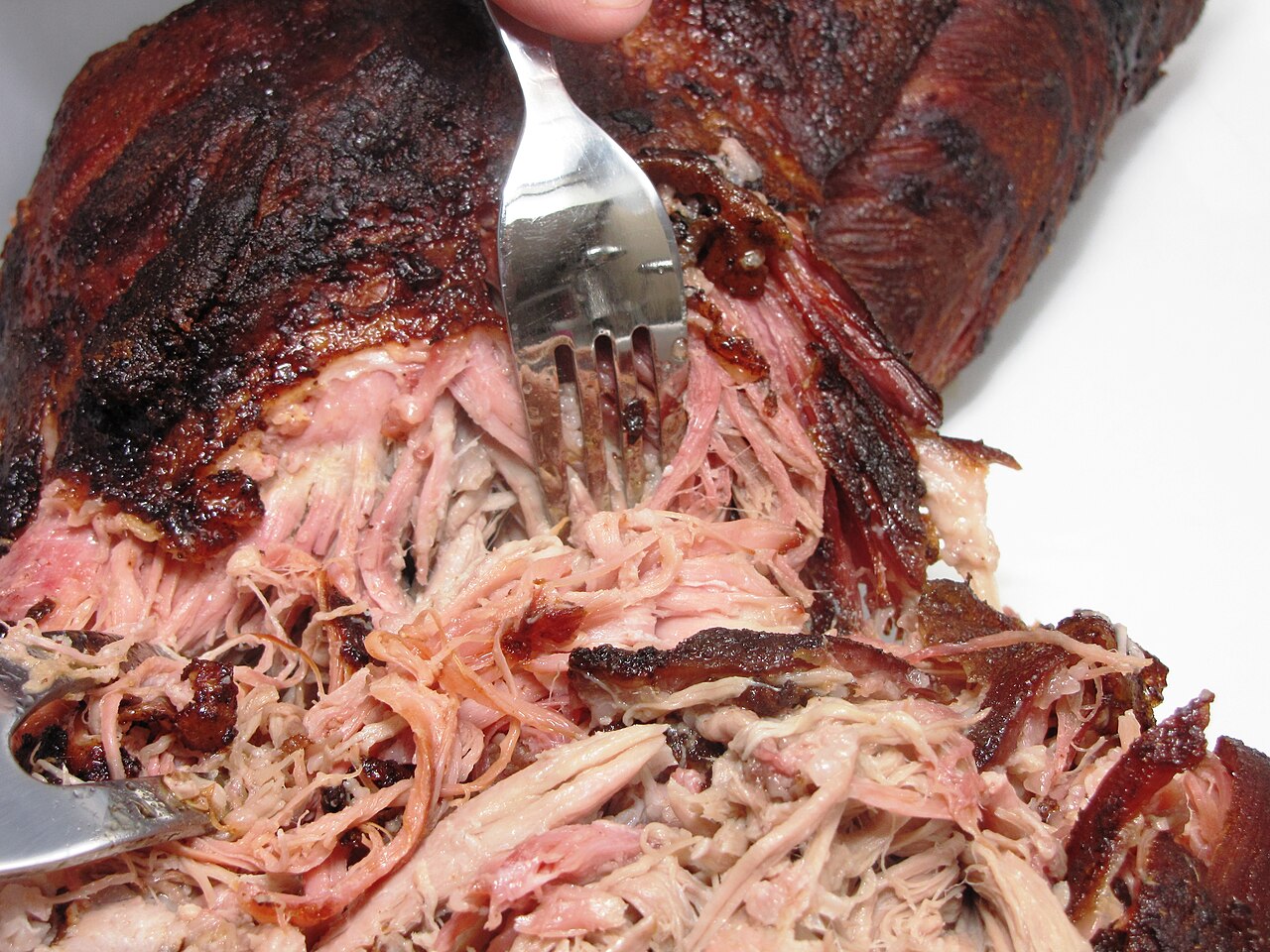
After resting, the pork should be incredibly tender, practically falling apart. You can use specialized "bear claws" designed for shredding meat, two forks, or even just your gloved hands to pull the meat apart. Discard any large pieces of unrendered fat or excess connective tissue. If your pork shoulder was bone-in, the bone should slide out cleanly, a true sign of doneness.
As you pull the pork, you'll see the distinct muscle fibers separate into those signature succulent strands. At this point, you can toss the pulled pork with some of its rendered juices from the resting period or a splash of your favorite barbecue sauce, depending on your preference. Serve immediately on soft buns, as part of a platter with classic sides, or incorporate it into tacos, nachos, or mac and cheese.
Conclusion
Crafting mouthwatering smoked pulled pork doesn't have to be an intimidating endeavor. By embracing a simple philosophy – focusing on a quality pork shoulder, a well-chosen dry rub, and the patient art of low-and-slow smoking – you unlock a world of flavor that is both deeply satisfying and incredibly rewarding. From understanding the cut to mastering the internal temperature, each step contributes to the creation of barbecue perfection that will undoubtedly impress anyone lucky enough to take a bite. So fire up your smoker, trust the process, and prepare to enjoy some of the finest pulled pork you've ever made.
